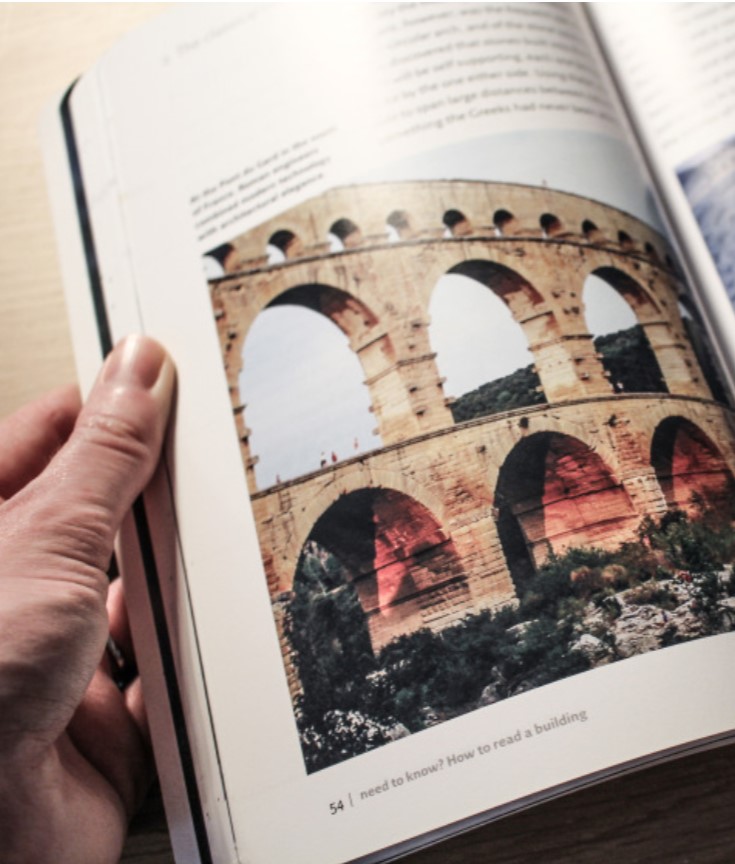
This book has an admirable aim – to teach us all how to read a building and, in its own words, learning to read a building ‘is the route to understanding a major part of our cultural inheritance’. As you can imagine, I sat ready to be enthralled…
The book is divided into six sections, each dedicated to a key British architectural style.
- The elements of architecture
- The classical tradition
- The gothic tradition
- The nineteenth century
- Architecture since 1900
- Thinking architecturally
So lets start with the positives. Each section is generously illustrated, clearly explains common architectural terms and gives insights into the role of key architects in each historical period. Most importantly, the author tries to place design with the context of the massive social changes which sparked each style. So far so good you may think… Well, sadly that’s about all the good points and this book has some major and frankly annoying flaws.
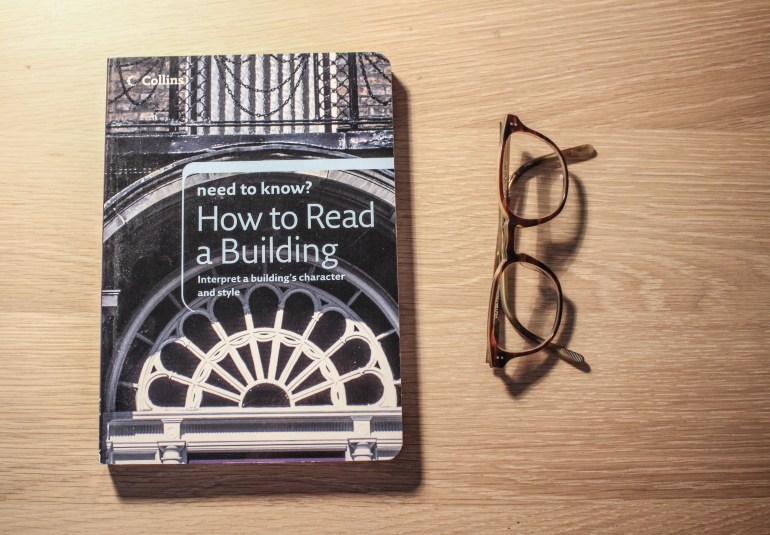
You don’t have to look far for the first major limitation of the book: the title. It’s pretty hard to be offended by a title I know, but its just so damn deceptive. It could be my own fault but I was expecting to read a guide to understanding and identifying buildings and what they mean. I expected a book which highlighted the differences of each style and to show development and ‘evolution’ (perhaps by comparing building elements, shapes, materials and details). Instead, this book addresses each style in turn and in complete isolation.
Secondly, this book is brief to point of frustration. As just one example, Charles Rennie Mackintosh is described as:
“The Scottish Architect Mackintosh was an idiosyncratic designer who became famous internationally, especially in Vienna where he was welcomed enthusiastically by young artists.”
There is something to be said for being concise but with these 23 words the author only manages to say that Mackintosh was Scottish and those kids in Vienna really couldn’t get enough of him. What was his style? Why did they bloody love him so much? How can you recognise his work? When did he live? Can I see his work? Who knows – that is entirely irrelevant you annoyingly curious person.
In another truly remarkable achievement, the ‘further info’ section for each chapter gives you zero further info. For example in learning more about the nineteenth century they suggest:
“Go to your local church and look out for the signs of Victorian architecture and design. In a medieval building, you may well be able to identify those parts which were restored in the nineteenth century.”
But I have hit a problem, a pretty big problem – what on earth should I be looking for? What features were commonly changed? Hold on – what did the place even they look like before the Victorians got their hands on it? The book gives no clues for this. Not a single hint. I fear my trip to the local church may be a bit of an anti-climax.
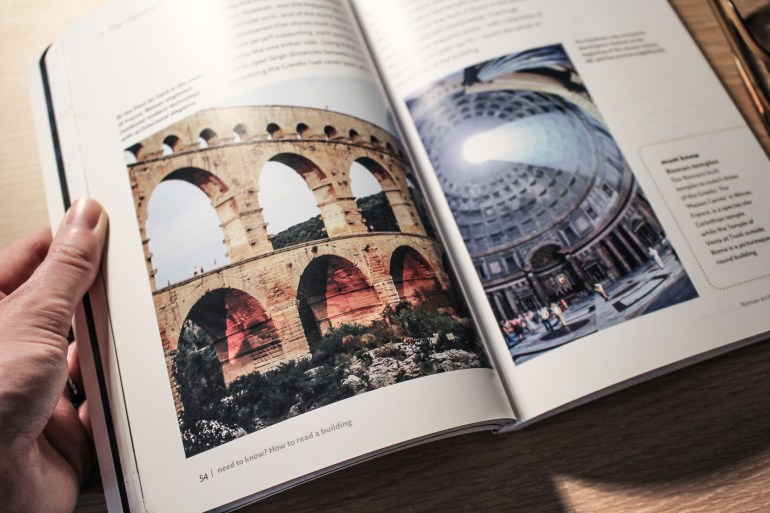
In summary, this book is most useful to those with absolutely no previous knowledge of architecture, with only a passing interest. The text is exceptionally brief and at times – annoyingly so. As for the topics addressed I advise that you ignore the title and see the book purely as a brief introduction to the development of architecture or else you will be massively let down. Lastly, bear in mind that the titles in the series include: ‘kitten and cat care’, ‘sleep’, ‘zodiac type’ and ‘aquarium fish’. Perhaps architecture was a stretch too far…
Details:
How to Read a Building by Timothy Brittain-Catlin
ISBN: 000724746X / 978-0007247462
 Rubble & Brick